
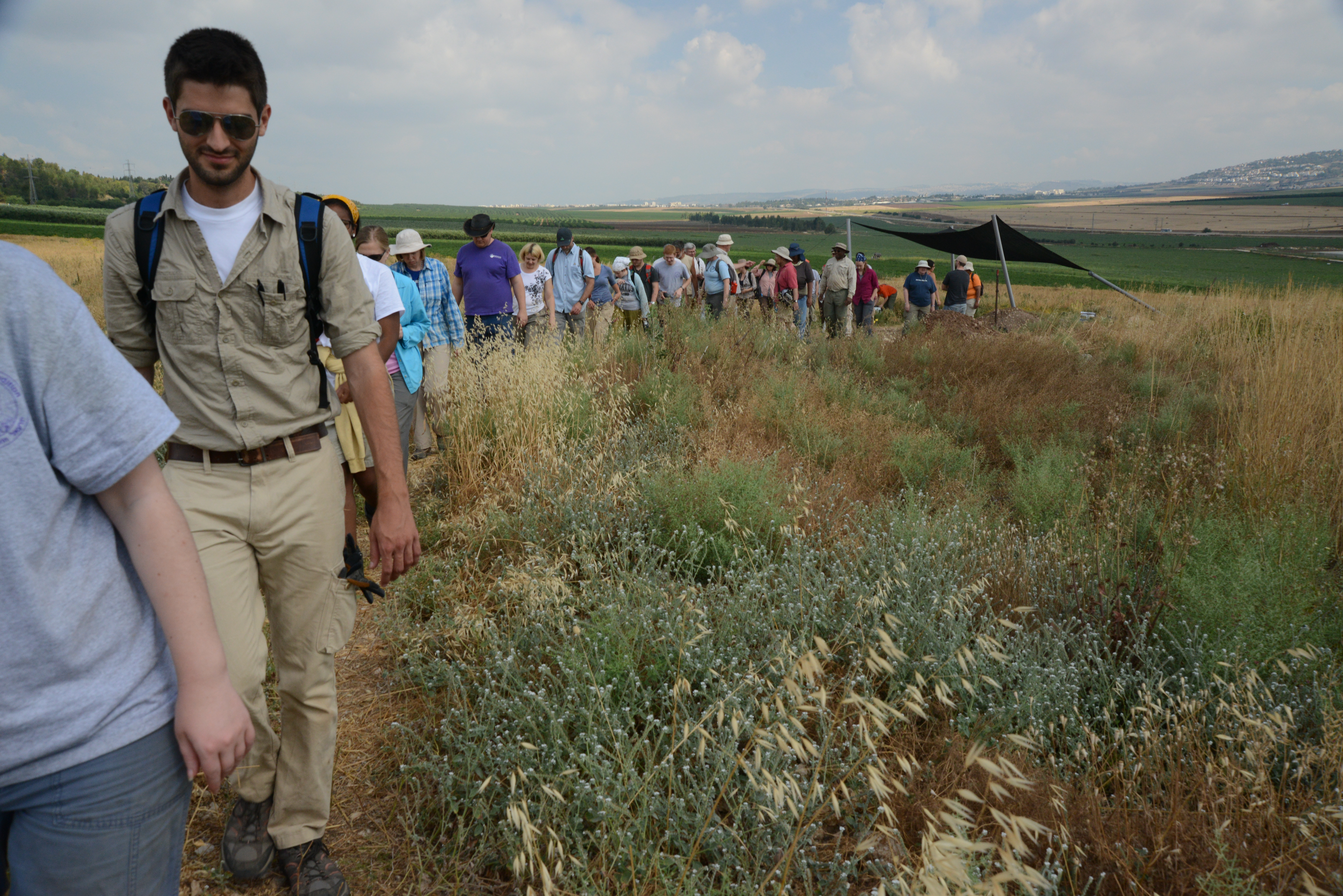

Jezreel is a remarkable site with a long and fascinating history.
Located in Israel’s lower Galilee, Jezreel sits at a strategic location midway between Megiddo (biblical Armageddon) and Bet Shean in the fertile Jezreel Valley. Occupied from prehistory to modern times, Jezreel features prominently in the biblical narrative as the site of Naboth’s vineyard (1 Kings 21) and Queen Jezebel’s gruesome death (2 Kings 9).

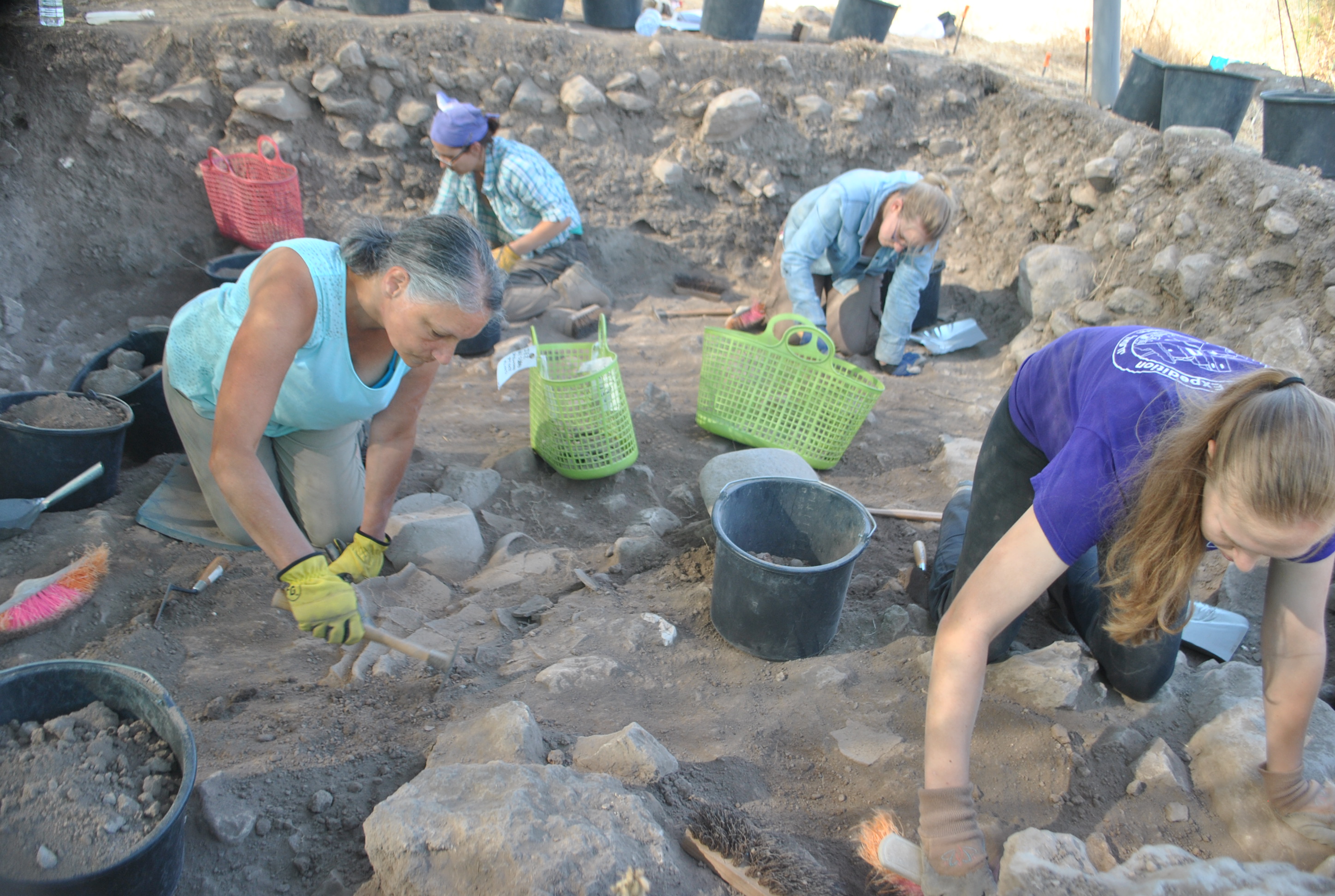
The Jezreel Expedition was founded in 2012 with the goal of understanding the history of occupation of greater Jezreel from the late Neolithic period to the twentieth century. Sponsored by the Zinman Institute of Archaeology at the University of Haifa (Israel) and the University of Evansville (Indiana), the project was co-directed by Norma Franklin (University of Haifa) and Jennie Ebeling (University of Evansville). The last season of excavation was in 2018.
An ASOR-affiliated project, the Jezreel Expedition is supported by eight consortium institutions: Campbell University, Chapman University, Moravian Theological Seminary, San Francisco Theological Seminary/Graduate Theological Union, University of Arizona, Vanderbilt University, Villanova University, and Wesley Theological Seminary.
In addition to academic publications, the Jezreel Expedition has been featured in popular media, including Biblical Archaeology Review, the Jerusalem Post and Wine Spectator. Visit Bibliography for more information.